

Defensive Driving Techniques Everyone Should Learn
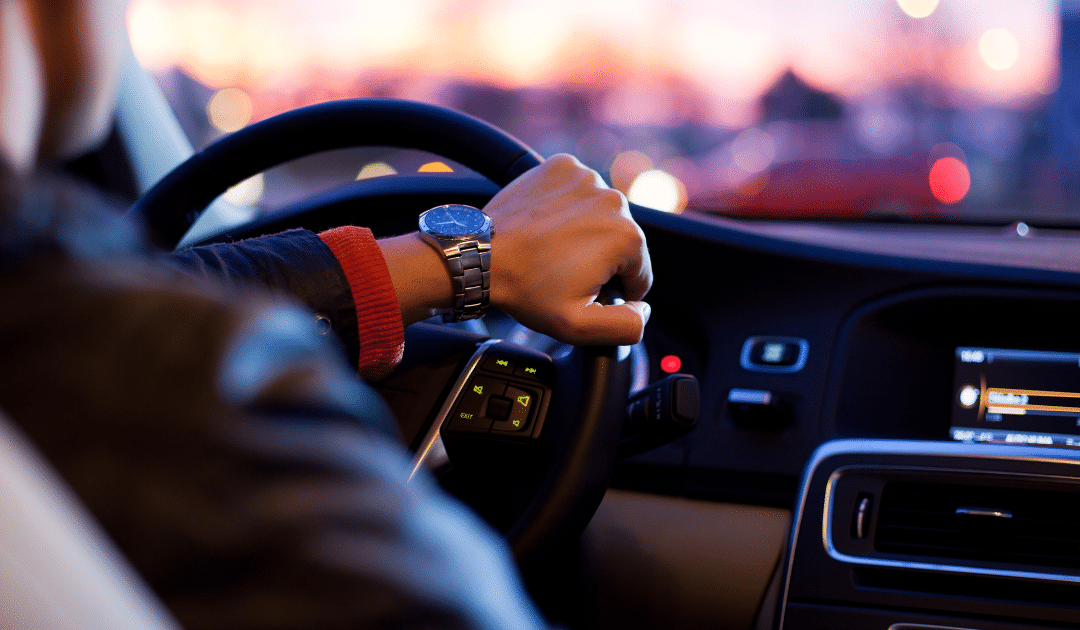
Driving is not only about controlling a vehicle but also about anticipating risks, responding calmly to unexpected situations, and protecting everyone on the road. Defensive driving focuses on awareness, anticipation, and proactive decision-making to reduce accidents and improve road safety. Whether you are a beginner or an experienced driver, mastering defensive driving techniques can significantly lower your chances of collisions and help create safer roads for everyone.
Maintain Situational Awareness at All Times
Situational awareness is the foundation of defensive driving. It involves continuously monitoring the road, mirrors, pedestrians, traffic signals, and nearby vehicles.
Key habits to improve awareness include:
- Checking mirrors every few seconds
- Watching traffic behavior ahead rather than only the vehicle directly in front
- Being alert at intersections and pedestrian crossings
- Avoiding distractions such as mobile phones or unnecessary conversations
Staying aware allows drivers to anticipate risks before they become emergencies.
Keep a Safe Following Distance
Maintaining adequate space between your vehicle and the one ahead gives you enough time to react if traffic suddenly slows or stops.
A practical guideline is the three second rule:
- Choose a fixed roadside object
- When the vehicle ahead passes it, start counting
- Your vehicle should reach that object after at least three seconds
Increase this distance during rain, fog, nighttime, or heavy traffic conditions.
Anticipate Other Drivers’ Actions
Not all drivers follow traffic rules consistently. Defensive drivers expect unexpected behavior and prepare accordingly.
Watch for warning signs such as:
- Sudden lane drifting
- Vehicles slowing without reason
- Drivers using mobile phones
- Missing turn signals before lane changes
Predicting possible mistakes by others helps you react early and safely.
Control Speed According to Road Conditions
Speed management plays a major role in preventing accidents. Driving at appropriate speeds gives you more reaction time and improves vehicle control.
Always adjust your speed when:
- Roads are wet or slippery
- Visibility is reduced
- Traffic is dense
- Driving through residential areas or school zones
Safe speed depends on conditions, not just posted limits.
Use Mirrors and Signals Properly
Communication with other drivers is essential for safe driving. Signals and mirrors help avoid confusion and reduce collision risk.
Effective mirror and signal use includes:
- Checking mirrors before slowing down
- Using indicators before lane changes
- Signaling early before turns
- Confirming blind spots before moving sideways
Clear communication ensures smoother and safer traffic flow.
Avoid Aggressive Driving Behavior
Aggressive driving increases the likelihood of accidents and escalates dangerous situations.
Common aggressive habits to avoid:
- Tailgating
- Sudden braking
- Frequent lane switching
- Honking unnecessarily
- Responding emotionally to other drivers
Remaining calm improves judgment and prevents risky decisions.
Prepare for Emergency Situations
Emergencies can occur unexpectedly, so preparation is essential.
Drivers should be ready to:
- Respond quickly to sudden braking situations
- Handle tire bursts calmly
- Use hazard lights appropriately
- Keep an emergency kit inside the vehicle
Prepared drivers react faster and more effectively during critical moments.
Minimize Distractions While Driving
Distractions reduce reaction time and increase accident risk. Even a few seconds of inattention can lead to serious consequences.
Avoid these common distractions:
- Mobile phone usage
- Eating while driving
- Adjusting navigation repeatedly
- Looking away from the road for long periods
Keeping full attention on driving ensures safer decision making.
Follow Traffic Rules Consistently
Traffic regulations exist to protect drivers, passengers, and pedestrians. Defensive drivers respect these rules regardless of road conditions or traffic levels.
Important practices include:
- Observing speed limits
- Respecting lane discipline
- Yielding when required
- Stopping completely at signals and signs
Consistency builds safer driving habits over time.
Practice Patience in Heavy Traffic
Traffic congestion often leads to frustration, which can result in unsafe driving decisions.
Stay patient by:
- Maintaining steady speed
- Avoiding unnecessary lane switching
- Leaving early to reduce time pressure
- Accepting minor delays calmly
Patience reduces stress and improves road safety.
Conclusion
Defensive driving is a practical skill that improves safety for everyone on the road. By staying alert, maintaining proper distance, anticipating risks, controlling speed, and avoiding distractions, drivers can significantly reduce accident risks. Consistent practice of these techniques leads to better judgment, smoother driving experiences, and safer travel environments.
Frequently Asked Questions
What is the main goal of defensive driving
The primary goal is to reduce accident risk by anticipating hazards and responding proactively to changing traffic conditions.
How often should drivers check their mirrors while driving
Drivers should check mirrors every few seconds and before changing speed, direction, or lanes.
Does defensive driving help reduce insurance costs
Many insurance providers offer discounts to drivers who complete certified defensive driving courses because they are considered lower risk.
Is defensive driving useful for experienced drivers
Yes, even experienced drivers benefit from defensive driving because road conditions and traffic behavior constantly change.
Can defensive driving improve fuel efficiency
Smooth acceleration, steady speed control, and fewer sudden stops can improve fuel efficiency over time.
How does defensive driving help during bad weather
It encourages slower speeds, greater following distance, and better anticipation, which improve safety in rain, fog, or low visibility conditions.
Should defensive driving techniques be practiced daily
Yes, practicing these techniques regularly helps make safe driving habits automatic and more effective in real situations.


