

How to Avoid Common Road Accidents
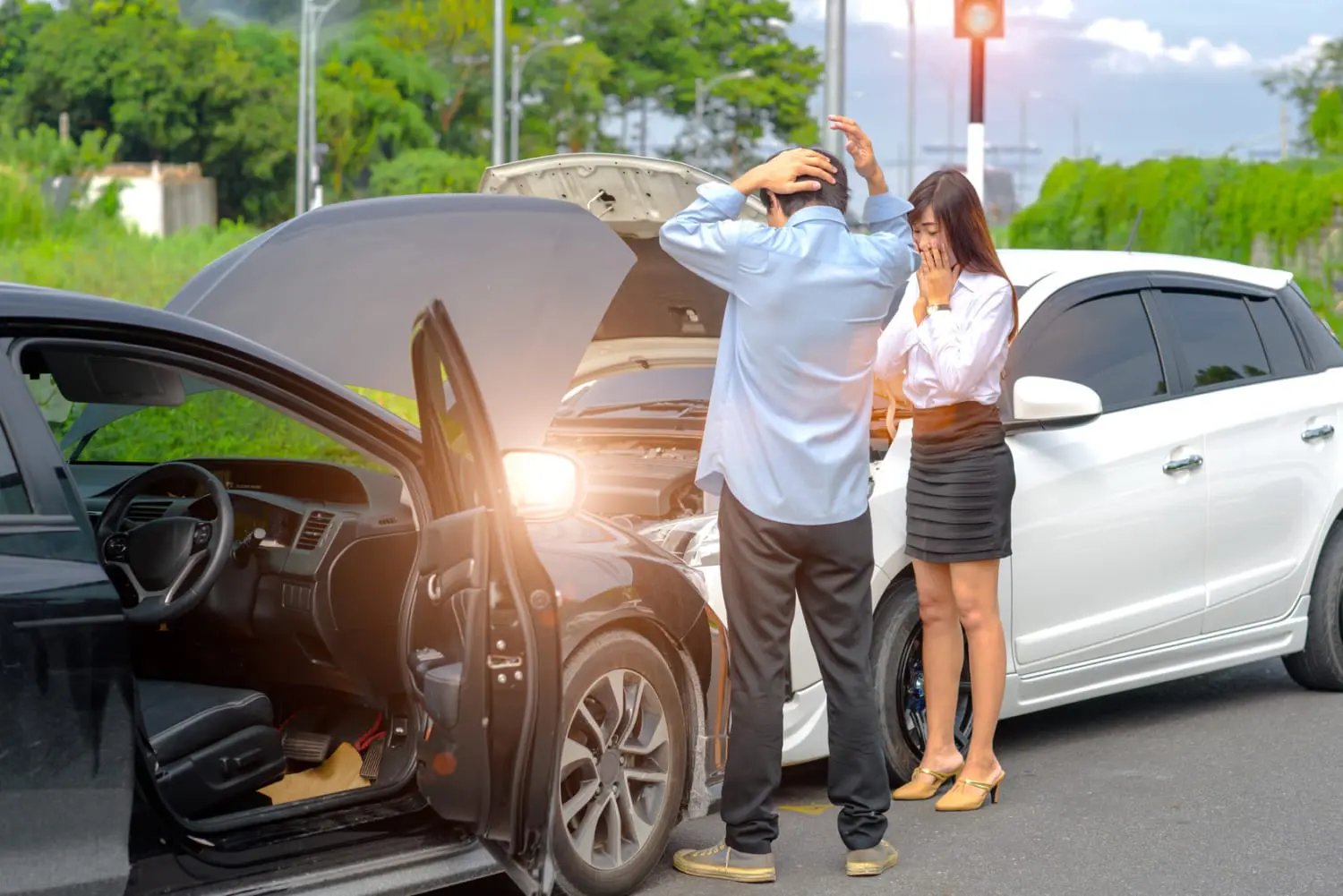
Road accidents remain one of the leading causes of injuries and fatalities worldwide. Many of these incidents are preventable with awareness, discipline, and responsible behavior. Understanding the most frequent causes of accidents and learning practical prevention strategies can significantly reduce risks for drivers, riders, cyclists, and pedestrians alike.
This guide explains actionable safety habits that help minimize accidents and promote safer travel for everyone.
Stay Focused and Avoid Distractions
Distracted driving is one of the most common causes of road accidents. Even a momentary loss of concentration can lead to serious consequences.
Common distractions include:
- Using mobile phones while driving
- Eating or drinking
- Adjusting navigation systems
- Talking excessively with passengers
- Daydreaming or fatigue
To stay alert:
- Keep both hands on the steering wheel
- Use navigation before starting the journey
- Avoid texting or answering calls while driving
- Take breaks during long trips
Maintaining focus significantly improves reaction time and decision-making ability.
Follow Speed Limits at All Times
Overspeeding reduces your ability to control the vehicle and increases stopping distance. It also makes collisions more severe.
Speed limits are designed based on road conditions, traffic density, and pedestrian movement. Respecting them helps ensure safer travel.
Helpful practices include:
- Adjust speed according to weather conditions
- Reduce speed near schools and residential areas
- Maintain safe distance from the vehicle ahead
- Avoid sudden acceleration
Driving within safe limits protects both the driver and others on the road.
Always Wear Seat Belts and Use Safety Gear
Seat belts and helmets dramatically reduce injury severity during accidents. They are simple safety tools but often ignored.
Important safety habits include:
- Wearing seat belts even on short trips
- Ensuring passengers also wear seat belts
- Using certified helmets while riding two-wheelers
- Securing children with proper safety seats
Protective gear acts as the first line of defense during unexpected incidents.
Maintain a Safe Distance Between Vehicles
Tailgating increases the likelihood of rear-end collisions. Maintaining adequate distance allows sufficient time to react during sudden braking situations.
Follow the recommended safe-distance approach:
- Keep at least a three-second gap from the vehicle ahead
- Increase distance during rain or fog
- Avoid aggressive overtaking
Proper spacing improves visibility and response time.
Avoid Driving Under the Influence
Driving after consuming alcohol or drugs significantly reduces coordination, judgment, and reaction speed.
Safer alternatives include:
- Using public transportation
- Booking a taxi or ride service
- Asking a sober friend to drive
Responsible choices prevent life-threatening mistakes.
Follow Traffic Signals and Road Signs
Traffic rules are designed to create predictable movement patterns that reduce confusion and collisions.
Safe driving behavior includes:
- Obeying traffic lights
- Respecting lane markings
- Following pedestrian crossings
- Watching warning signs near construction zones
Ignoring signals increases accident risks for everyone on the road.
Keep Your Vehicle Properly Maintained
Vehicle malfunction can cause sudden loss of control or delayed braking response.
Regular maintenance should include:
- Checking brake performance
- Inspecting tire condition and pressure
- Ensuring headlights and indicators work properly
- Monitoring engine performance
Routine inspections improve reliability and road safety.
Stay Alert in Bad Weather Conditions
Rain, fog, and dust storms reduce visibility and road grip. Extra caution is necessary during such situations.
Safety tips include:
- Driving slower than usual
- Using headlights appropriately
- Avoiding sudden turns
- Keeping windshield clear
Adjusting your driving style according to weather conditions prevents unexpected accidents.
Avoid Fatigue While Driving
Tired drivers react slower and may lose concentration easily. Long-distance travel requires planned rest intervals.
To prevent fatigue:
- Take short breaks every two hours
- Stay hydrated
- Avoid driving late at night when sleepy
- Share driving responsibility during long journeys
Alert drivers make safer decisions on the road.
Be Extra Careful Near Pedestrians and Cyclists
Pedestrians and cyclists are more vulnerable than motorists. Defensive driving helps prevent serious injuries.
Safe habits include:
- Slowing down near crossings
- Checking blind spots carefully
- Giving cyclists adequate road space
- Staying alert in crowded areas
Respecting vulnerable road users improves safety for everyone.
Frequently Asked Questions
1. What is the most common cause of road accidents?
Distracted driving is one of the leading causes, especially due to mobile phone usage and lack of attention.
2. How can new drivers reduce accident risks quickly?
New drivers should practice defensive driving, follow speed limits, avoid distractions, and stay patient in traffic situations.
3. Why is maintaining tire pressure important for road safety?
Correct tire pressure improves vehicle control, braking efficiency, and stability, especially during emergency maneuvers.
4. Is driving slowly always safer than driving fast?
Driving too slowly in fast-moving traffic can also create hazards. Maintaining an appropriate speed according to road conditions is safest.
5. How does weather affect braking distance?
Wet or foggy conditions increase braking distance because tires lose grip and visibility becomes limited.
6. What should drivers do before starting a long road trip?
Drivers should check brakes, tire pressure, fuel level, headlights, and carry emergency essentials before traveling.
7. How can defensive driving prevent accidents?
Defensive driving encourages anticipation of hazards, maintaining safe distances, and reacting calmly to unexpected situations, reducing accident probability.