
Complete Overview of Flat Roof Options for Commercial Buildings
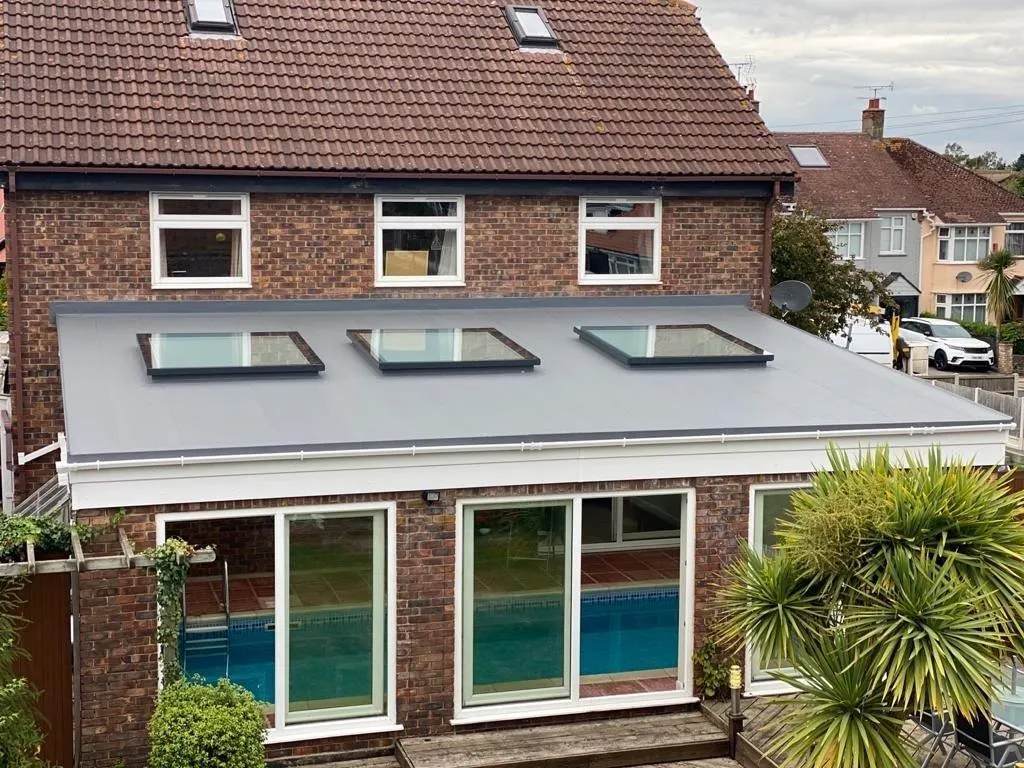
Commercial buildings rely on durable roofing systems that protect valuable assets, support daily operations, and withstand constant exposure to weather. Flat roofs remain a practical choice because they provide usable space for mechanical equipment while allowing efficient maintenance access. Selecting the right roofing material helps improve long-term performance, moisture protection, and energy efficiency for a wide range of commercial properties.
Property owners exploring flat and metal commercial roofing solutions should understand how each roofing system performs under different building requirements. Common commercial roof options include TPO, EPDM, and metal roofing because each serves a specific purpose based on climate, roof design, and maintenance expectations. Careful evaluation before installation supports reliable protection throughout the roof’s service life.
Common Flat Roof Systems for Commercial Buildings
Several flat roofing materials are widely used across offices, retail centers, warehouses, and industrial buildings. Each system offers distinct construction characteristics that suit different operational needs. Understanding these options helps property owners make informed roofing decisions.
TPO Roofing
TPO roofing uses a single-ply membrane with heat-welded seams that create strong waterproof protection. Its reflective surface helps reduce heat absorption, making it a practical option for buildings that prioritize energy efficiency. TPO also provides dependable durability for low-slope commercial roofs.
EPDM Roofing
EPDM is a synthetic rubber roofing membrane recognized for dependable weather resistance and flexibility. The material adapts well to seasonal temperature changes while maintaining reliable performance over many years with routine maintenance. Its durable construction makes it suitable for commercial buildings that require long-lasting roof protection.
Metal Roofing for Low-Slope Buildings
Metal roofing serves commercial facilities that require exceptional structural durability and extended service life. Reflective finishes help reduce heat buildup while the material offers dependable resistance to fire, impact, and severe weather conditions. Some commercial properties combine low-slope roof sections with metal roofing to match different building layouts.
Important Factors Before Selecting a Flat Roof
Every commercial building has unique operational demands that influence roofing decisions. Material selection should match structural requirements, maintenance plans, and long-term building goals. Reviewing these considerations helps avoid unnecessary performance issues later.
Building Purpose and Roof Design
Each roof assembly must support the property’s climate requirements, interior operations, and thermal envelope. Federal energy data show that U.S. commercial buildings consumed an estimated 25,000 British thermal units per square foot for space heating in 2018. Suitable insulation beneath EPDM, TPO, or metal roofing can help control heat transfer through the roof area.
Maintenance Expectations
Routine inspections help identify seam separation, punctures, drainage concerns, and surface wear before extensive damage develops. Preventive maintenance extends roof life while reducing unexpected repair costs. Scheduled evaluations also help maintain consistent waterproof protection throughout changing weather conditions.
- Inspect drainage areas after major storms.
- Check seams and flashing for visible wear.
- Remove debris that may trap standing water.
- Schedule periodic professional roof evaluations.
Long-Term Performance Goals
Choosing flat and metal commercial roofing solutions requires attention to expected lifespan, weather exposure, and future maintenance planning. A roofing system that aligns with building operations supports dependable protection while reducing avoidable disruptions over time. Careful material selection also helps commercial properties maintain reliable performance throughout years of daily use.
Find A Commercial Roofing Expert For Flat Roof Projects
A qualified commercial roofing expert evaluates roof condition, drainage, insulation, and material compatibility before recommending a flat roofing system. Professional installation helps reduce the risk of premature leaks, drainage problems, and membrane failures. Accurate workmanship also supports reliable roof performance and simplifies future maintenance throughout the roof’s service life.
Selecting the right flat roof depends on building design, expected weather exposure, and long-term maintenance goals. Understanding the strengths of each roofing option helps property owners make informed decisions with greater confidence. A properly selected and professionally installed commercial roof provides dependable protection while supporting the building’s daily operations.
FAQs
What Is the Best Flat Roof Material for a Commercial Building?
The best option depends on the building design, climate, drainage, maintenance needs, and expected roof lifespan.
How Long Does a Commercial Flat Roof Last?
A commercial flat roof can last 20 to 40 years when properly installed, inspected, and maintained.
How Often Should a Commercial Flat Roof Be Inspected?
A commercial flat roof should be inspected at least twice a year and after severe storms.