

How Hydration Affects Your Body and Mind
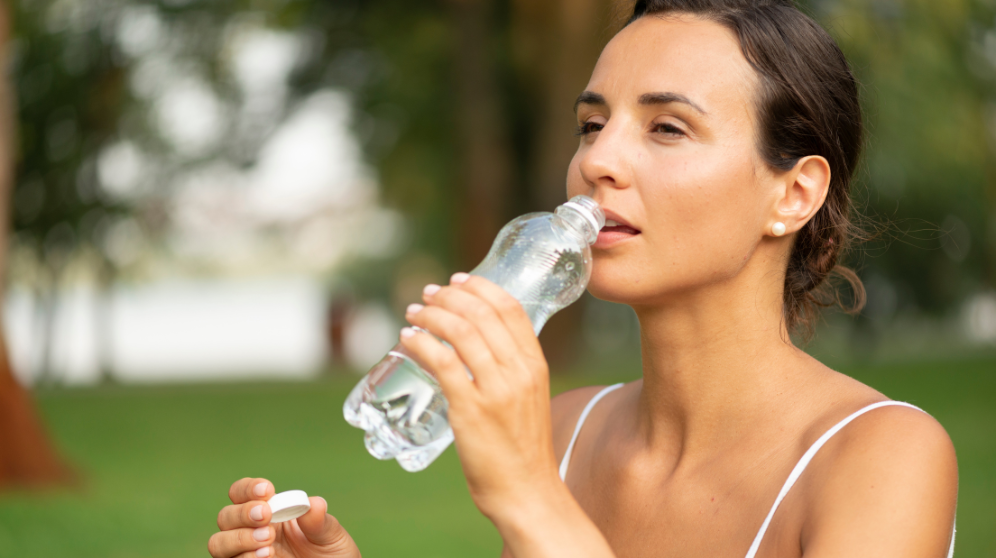
Hydration plays a central role in how your body functions and how your mind performs throughout the day. Water supports nearly every biological system, from circulation and digestion to concentration and emotional stability. Even mild dehydration can affect energy levels, memory, mood, and physical performance.
Understanding how hydration influences both body and brain can help you make smarter daily habits that support long-term wellness.
Why Hydration Matters for Overall Health
Water makes up roughly 60 percent of the human body. It supports essential processes that keep organs functioning efficiently and cells working properly.
Proper hydration helps:
- regulate body temperature
- transport nutrients and oxygen
- lubricate joints
- support digestion and metabolism
- flush waste through kidneys and liver
- maintain healthy skin structure
- stabilize blood pressure levels
When fluid levels drop, the body begins prioritizing critical functions. As a result, less urgent processes like concentration and physical endurance decline first.
How Hydration Affects Physical Performance
Your muscles rely heavily on water to function efficiently. Even small fluid losses can reduce strength, stamina, and coordination.
Key physical effects of dehydration include:
- early fatigue during activity
- reduced endurance capacity
- muscle cramps
- slower recovery after exercise
- decreased reaction time
- higher risk of overheating
Athletes are especially sensitive to hydration status, but even everyday activities like walking, working, or studying can feel harder when fluid intake is insufficient.
Maintaining hydration before, during, and after movement improves performance consistency and recovery speed.
The Role of Water in Brain Function
Your brain depends on adequate hydration to maintain attention, memory, and emotional regulation.
Even mild dehydration can influence:
- concentration ability
- short-term memory performance
- alertness levels
- decision-making accuracy
- mental clarity
Research shows that losing as little as 1 to 2 percent of body water can reduce cognitive efficiency. Many people mistake dehydration symptoms for tiredness or stress.
Drinking enough water throughout the day helps maintain consistent mental performance.
Hydration and Mood Stability
Fluid balance affects neurotransmitters that regulate mood and emotional responses.
Low hydration levels are linked with:
- increased irritability
- higher stress sensitivity
- fatigue
- reduced motivation
- headaches
People who improve their hydration habits often report better emotional balance and steadier energy patterns throughout the day.
This connection explains why drinking water regularly can support both productivity and mental resilience.
How Hydration Supports Digestion and Metabolism
Water assists digestion at every stage of the process.
It helps:
- break down food efficiently
- support nutrient absorption
- prevent constipation
- maintain gut movement
- regulate metabolic activity
Without enough fluids, digestion slows and discomfort becomes more likely. Long-term dehydration may also affect nutrient delivery across the body.
Adequate hydration helps keep digestive processes smooth and predictable.
Hydration and Skin Health
Skin is one of the first areas affected by fluid imbalance.
Proper hydration contributes to:
- improved skin elasticity
- smoother texture
- reduced dryness
- stronger protective barrier function
While hydration alone does not prevent aging, it supports healthier skin appearance and resilience.
Drinking water consistently helps maintain natural skin balance from within.
Signs Your Body Needs More Water
Recognizing early dehydration symptoms helps prevent larger health issues.
Common warning signs include:
- dry mouth
- headaches
- fatigue
- darker urine color
- dizziness
- reduced focus
- muscle weakness
Responding quickly to these signals helps restore balance before performance declines further.
How Much Water Should You Drink Daily
Hydration needs vary depending on activity level, climate, diet, and body size.
General daily guidance suggests:
- about 2 to 2.5 liters for most adults
- more during exercise
- more in hot environments
- additional fluids during illness or recovery
Instead of relying only on fixed numbers, monitoring thirst and urine color can provide reliable indicators of hydration status.
Consistent intake across the day works better than drinking large amounts at once.
Practical Tips to Stay Properly Hydrated
Simple habits make hydration easier to maintain.
Try these strategies:
- begin the day with a glass of water
- carry a reusable bottle during work or travel
- drink before feeling thirsty
- include water-rich foods like fruits and vegetables
- increase intake during physical activity
- limit excessive caffeine and sugary drinks
Small adjustments can create long-term improvements in both physical and mental performance.
Frequently Asked Questions
Can drinking too much water be harmful
Yes. Excessive water intake can dilute sodium levels in the body and lead to a condition called hyponatremia. Balanced intake throughout the day is safer than consuming large amounts quickly.
Does tea or coffee count toward hydration
Yes. Most beverages contribute to daily fluid intake, although plain water remains the most effective and reliable option.
Is thirst always a reliable sign of dehydration
Not always. By the time thirst appears, mild dehydration may already be present. Regular drinking habits help prevent this delay.
Can dehydration affect sleep quality
Yes. Dehydration can cause nighttime cramps, dry mouth, and headaches, which may interrupt sleep patterns.
Do fruits and vegetables help with hydration
Yes. Foods like watermelon, cucumber, oranges, and spinach contain high water content and contribute to daily hydration needs.
How does hydration affect headaches
Low fluid levels can reduce blood flow and oxygen delivery to the brain, which increases the likelihood of headaches.
Is hydration more important in hot climates
Yes. Higher temperatures increase sweat loss, which raises daily fluid requirements and makes consistent hydration more important.


