
Organizing Wardrobes Efficiently Maximizing Bedroom Storage Capacity Smartly
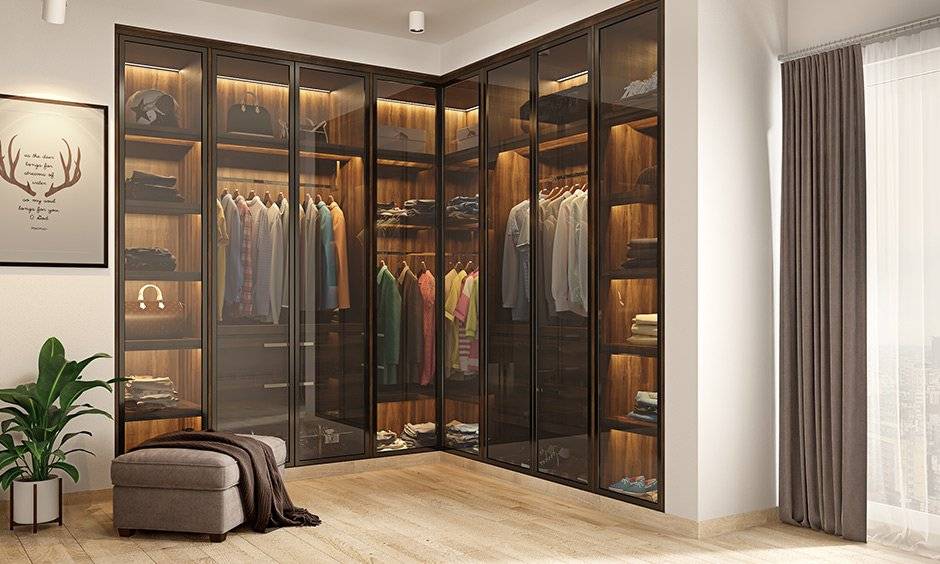
An efficiently organized wardrobe does more than store clothes. It improves daily routines, reduces clutter, protects garments, and maximizes available bedroom space without requiring major renovations. With thoughtful planning and practical storage techniques, even small wardrobes can function like well-designed storage systems.
Smart wardrobe organization focuses on structure, accessibility, and adaptability so every inch of storage works effectively.
Why Efficient Wardrobe Organization Matters
A cluttered wardrobe wastes time and reduces usable storage capacity. When items are difficult to locate or stacked poorly, available space becomes limited even if the wardrobe itself is large.
An organized wardrobe helps:
- increase usable storage space
- reduce clothing damage
- improve visibility of items
- simplify daily dressing routines
- maintain bedroom cleanliness
- extend garment lifespan
Better structure leads to better space efficiency without expanding the wardrobe footprint.
Start With Sorting and Decluttering
Before reorganizing storage areas, remove everything from the wardrobe and evaluate each item carefully.
Sort clothing into categories such as:
- daily wear
- seasonal clothing
- formal wear
- rarely used items
- items to donate or discard
Keeping only necessary clothing creates immediate storage capacity. Many wardrobes feel small simply because they hold unnecessary items.
Decluttering creates the foundation for an efficient layout.
Use Vertical Space Effectively
Vertical space is often underused in wardrobes. Extending storage upward allows better utilization without increasing floor area.
Ways to maximize vertical space include:
- installing double hanging rods
- adding shelf dividers
- stacking storage boxes neatly
- placing rarely used items on upper shelves
- using hanging organizers for accessories
Dividing tall wardrobe sections into smaller compartments increases storage efficiency significantly.
Organize Clothing by Category and Frequency
Grouping clothing based on use makes wardrobes more functional and accessible.
Arrange items according to:
- daily accessibility needs
- clothing type
- season
- occasion
Place frequently used items at eye level. Store seasonal garments higher or lower depending on wardrobe height.
This simple strategy reduces clutter and improves accessibility instantly.
Use Drawer Dividers for Smaller Items
Small items often create the most visible clutter.
Drawer dividers help organize:
- socks
- undergarments
- belts
- scarves
- accessories
Dividers prevent mixing and reduce time spent searching for essentials.
Structured drawers also protect delicate fabrics from unnecessary folding pressure.
Choose Smart Storage Accessories
Storage accessories increase wardrobe capacity without structural changes.
Useful solutions include:
- stackable storage bins
- fabric organizers
- pull out baskets
- hanging shelves
- adjustable partitions
These accessories create designated zones inside wardrobes and help maintain long term organization.
Flexible storage tools adapt easily as clothing needs change over time.
Rotate Clothing Seasonally
Keeping all seasonal clothing inside the wardrobe at once reduces usable space.
A seasonal rotation strategy helps:
- create extra room instantly
- improve garment visibility
- maintain wardrobe freshness
- reduce overcrowding
Store off season clothing in labeled containers under beds or on top shelves to free valuable everyday storage space.
Fold Clothes Strategically to Save Space
Folding techniques influence how much clothing fits inside shelves and drawers.
Effective folding methods include:
- vertical folding for visibility
- stacking similar items together
- separating heavy garments from light ones
- keeping frequently used clothing on top layers
Structured folding increases storage capacity without adding new compartments.
Maintain Wardrobe Organization Regularly
Even well organized wardrobes lose efficiency without maintenance.
To keep storage optimized:
- return items to assigned sections
- remove unused clothing periodically
- adjust layout during seasonal changes
- reorganize accessories monthly
Small maintenance habits prevent clutter from returning.
Consistent organization preserves storage efficiency long term.
Frequently Asked Questions
How often should wardrobes be reorganized
A full wardrobe reorganization every three to four months helps maintain storage efficiency and keeps clothing accessible.
Are open shelves better than closed wardrobe sections
Open shelves improve visibility but closed sections protect clothing from dust. A combination of both works best for most bedrooms.
What is the best way to store heavy winter clothing
Heavy garments should be folded and stored in breathable containers on top shelves or under bed storage during warmer months.
Can lighting improve wardrobe organization
Yes. Interior wardrobe lighting improves visibility, making it easier to locate items quickly and maintain order.
How do storage boxes help maximize wardrobe space
Storage boxes create defined compartments and allow stacking, which increases vertical storage efficiency.
Should shoes be stored inside wardrobes
Shoes can be stored inside wardrobes if there is proper ventilation and dedicated shelving to prevent odor buildup.
What is the most common mistake people make when organizing wardrobes
Keeping unused clothing for long periods is the most common issue that reduces storage capacity and creates clutter inside wardrobes.