

How Credit Scores Impact Financial Health
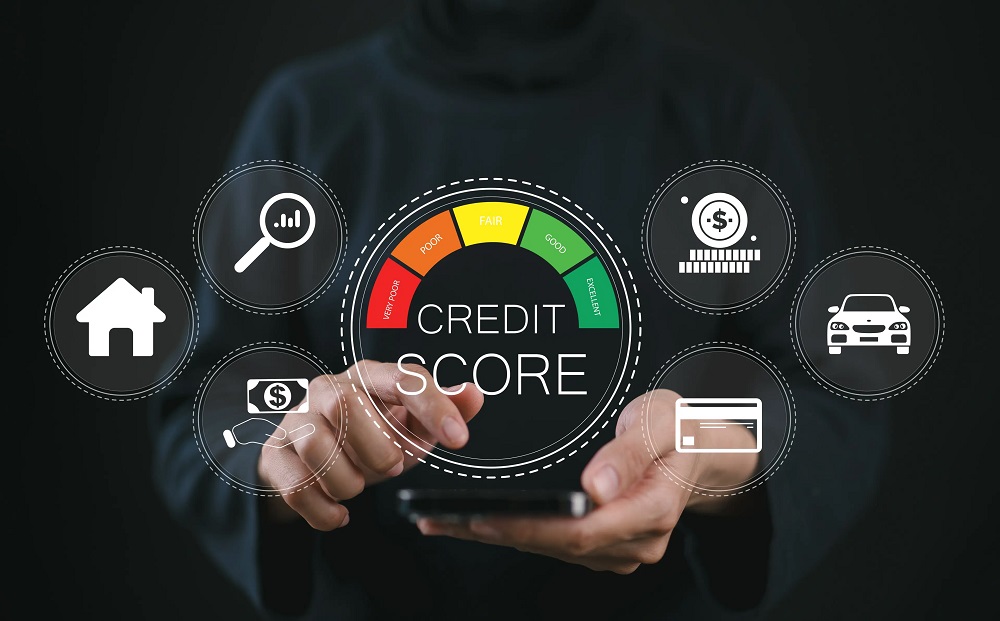
A credit score is more than just a number. It plays a decisive role in shaping borrowing opportunities, financial stability, and long-term wealth creation. Whether applying for a loan, renting a home, or even securing better insurance rates in some countries, this three-digit figure influences key life decisions.
Understanding how credit scores affect financial health helps individuals make smarter financial choices and maintain stronger control over their future.
What Is a Credit Score
A credit score is a numerical summary of a person’s creditworthiness based on their borrowing and repayment history. Lenders use this score to estimate the risk involved in approving credit applications.
Typically, credit scores range between:
- 300 to 579 Poor
- 580 to 669 Fair
- 670 to 739 Good
- 740 to 799 Very Good
- 800 to 850 Excellent
A higher score signals responsible financial behavior and improves access to better financial opportunities.
Why Credit Scores Matter for Financial Health
Credit scores influence multiple aspects of financial life. They affect not only loan approvals but also the overall cost of borrowing and long-term financial flexibility.
Strong credit health leads to:
- Lower interest rates
- Higher loan approval chances
- Better credit card offers
- Increased negotiating power with lenders
- Improved financial confidence
Poor credit health often results in higher borrowing costs and limited financial choices.
How Credit Scores Affect Loan Approvals
Lenders rely heavily on credit scores when deciding whether to approve a loan application. A high score indicates reliability and increases the likelihood of approval.
Applicants with lower scores may face:
- Rejection of loan applications
- Smaller approved loan amounts
- Requirement for a guarantor or collateral
- Stricter repayment terms
Maintaining a healthy score ensures smoother access to personal loans, home loans, and vehicle financing.
Impact on Interest Rates and Borrowing Costs
Credit scores directly affect how much interest a borrower pays over time. Even a small difference in score can significantly change total repayment amounts.
For example:
- Higher scores qualify for lower interest rates
- Lower scores lead to higher borrowing costs
- Long-term loans become more expensive with poor credit
Over time, reduced interest payments help individuals save substantial amounts and improve overall financial stability.
Influence on Credit Card Eligibility
Credit card providers assess credit scores before issuing cards or increasing credit limits.
A strong credit score helps individuals:
- Access premium credit cards
- Receive higher spending limits
- Enjoy rewards programs and cashback offers
- Benefit from lower annual charges
A weaker score restricts access to these benefits and may result in higher fees.
Role in Housing and Rental Opportunities
Many landlords review credit history before approving tenants. A good credit score reflects responsible financial behavior and increases trust.
Tenants with strong credit profiles often experience:
- Faster approval processes
- Lower security deposit requirements
- Better rental choices
Poor scores may limit rental opportunities or increase upfront costs.
Impact on Employment Opportunities
Some employers evaluate credit reports during background checks, particularly for roles involving financial responsibilities.
A healthy credit record can indicate:
- Reliability
- Financial discipline
- Responsible decision making
While not always mandatory, credit checks may influence hiring decisions in specific industries.
Connection Between Credit Scores and Financial Stress
Credit scores also influence emotional and psychological well being. Financial uncertainty caused by poor credit often increases stress levels and restricts future planning.
Maintaining a stable credit score supports:
- Easier access to emergency funds
- Confidence in handling unexpected expenses
- Better long term planning ability
Strong financial confidence contributes to improved overall quality of life.
Factors That Influence Credit Scores
Several elements determine how credit scores are calculated. Monitoring these factors helps individuals maintain better control over their financial standing.
Key contributors include:
- Payment history consistency
- Credit utilization ratio
- Length of credit history
- Types of credit accounts
- Frequency of credit applications
Responsible management of these factors gradually strengthens credit profiles.
Practical Ways to Improve Credit Scores
Improving a credit score requires consistent discipline and informed decisions. Even small habits can produce meaningful results over time.
Effective strategies include:
- Paying bills before due dates
- Keeping credit utilization below recommended limits
- Avoiding multiple loan applications within short periods
- Reviewing credit reports regularly
- Maintaining a balanced mix of credit accounts
Long term consistency produces the most reliable improvement.
Long Term Benefits of Maintaining a Good Credit Score
A strong credit score creates opportunities that extend far beyond borrowing convenience. It supports overall financial growth and resilience.
Key advantages include:
- Reduced financial risk exposure
- Easier approval for large investments such as home purchases
- Access to emergency funding when needed
- Improved negotiation power with financial institutions
- Greater flexibility in financial planning decisions
Healthy credit behavior strengthens both short term stability and long term security.
Conclusion
Credit scores serve as a foundation for financial well being. They influence borrowing costs, approval decisions, housing access, and even career opportunities in some situations. Maintaining a strong credit profile enables individuals to build stability, reduce stress, and unlock better financial opportunities throughout life.
Consistent monitoring, disciplined repayment habits, and thoughtful credit usage together create a reliable path toward lasting financial health.
Frequently Asked Questions
1. How often should credit scores be checked
Checking credit scores every three to four months helps track progress and identify errors early without affecting the score negatively.
2. Does checking my own credit score reduce it
No. Reviewing your own credit report is considered a soft inquiry and does not impact your score.
3. Can closing unused credit cards improve credit scores
Not always. Closing older accounts may shorten credit history length and sometimes reduce the score instead of improving it.
4. How long does it take to improve a credit score
Improvements can begin within a few months, but significant progress typically requires consistent habits over six to twelve months.
5. Do student loans affect credit scores
Yes. Timely student loan repayments positively influence credit scores, while missed payments can lower them.
6. Is it possible to maintain a good credit score without using credit cards
Yes. Responsible repayment of other credit types such as personal loans or education loans can also build a strong credit profile.
7. Can errors in credit reports affect financial health
Yes. Incorrect entries may reduce credit scores and should be corrected quickly by reporting them to the credit bureau.


